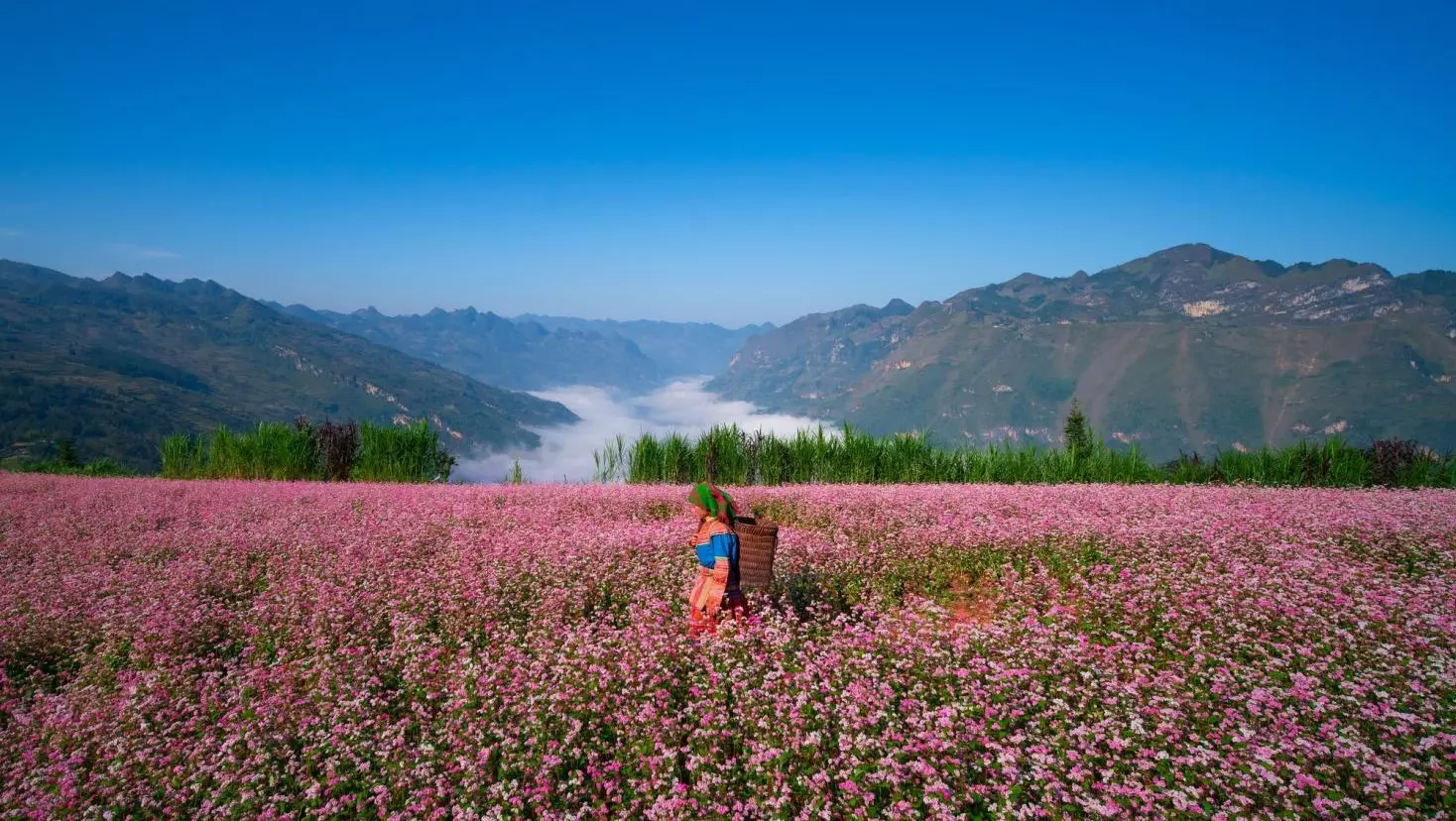
Ha Giang is renowned for its wild, poetic, yet incredibly gentle beauty. Wild with its endless mountains and winding passes. Poetic in its terraced rice fields during harvest season. And most gentle when Ha Giang is adorned with vast fields of delicate pink buckwheat flowers. To ensure an absolutely fantastic adventure exploring this rocky plateau, save these most famous Ha Giang tourist destinations right away.
1. Ha Giang City – The Majestic Rocky Plateau Land
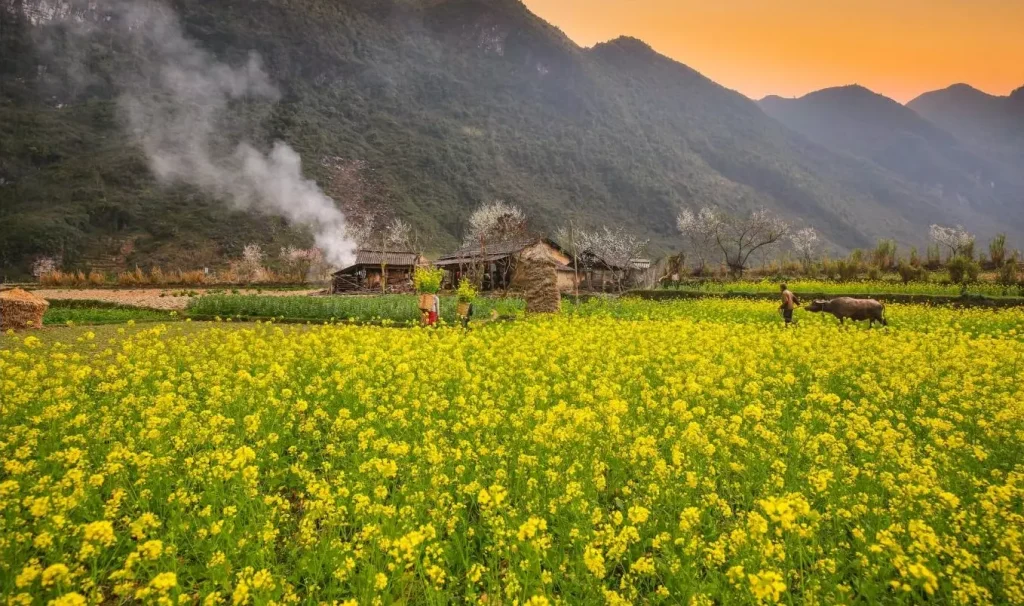
Ha Giang consistently ranks as a shining star among Vietnam’s most beloved tourist destinations. Here, you’ll witness firsthand the majestic and captivating natural beauty of its rivers, streams, mountains, and plateaus. Among them, countless natural wonders stand out, such as Dong Van Karst Plateau, Tay Con Linh Peak, Quan Ba Heaven’s Gate, and Lung Cu Flagpole. Beyond immersing yourself in the vast natural scenery, visitors also get to experience the diverse cultures and unique characteristics of various ethnic groups: Hmong, Tay, Muong, Thai, and more. Therefore, a Ha Giang trip will surely not disappoint.
2. Top Ha Giang Tourist Attractions You Shouldn’t Miss
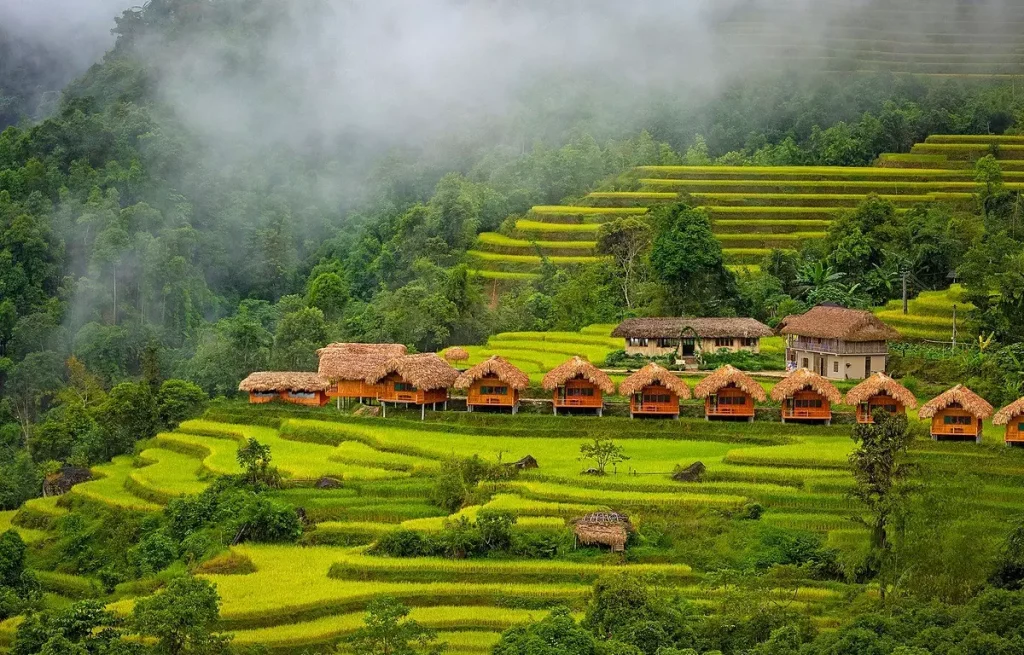
Below, Vega Travel reveals the hottest Ha Giang tourist attractions for 2023. Save them now for a complete journey through this rocky plateau!
2.1 Ma Pi Leng Pass
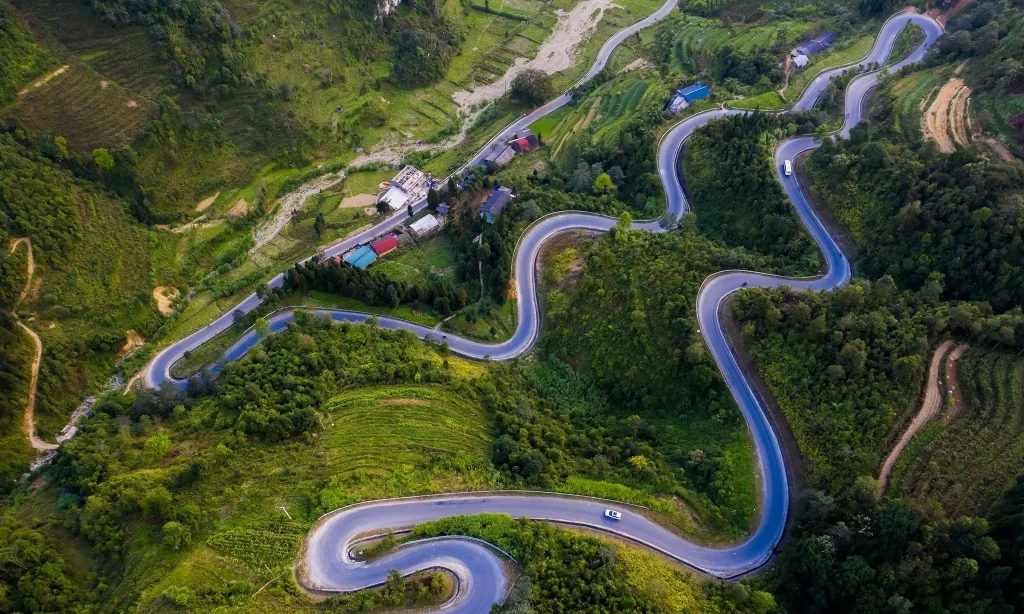
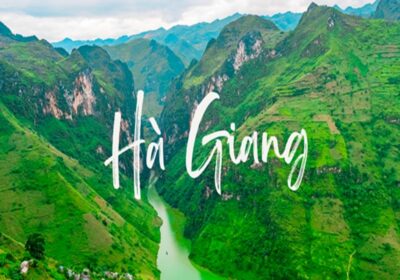
Ma Pi Leng Pass is one of Vietnam’s “Four Great Mountain Passes.” In the local language, Ma Pi Leng means “horse’s nose bridge,” implying that the pass is extremely high and steep. The pass is located on the legendary Happiness Road – a road built with blood and flowers. From Ma Pi Leng, you can gaze down at the emerald green Nho Que River winding through the valley. If you visit in February or March, you’ll see both banks of the Nho Que River ablaze with the red of hoa gao (rice flowers), interspersed with the emerald green water and rustic red earth, creating a perfectly harmonious mountain landscape. This makes it a top Ha Giang tourist attraction for young adventurers.
2.2 Lung Cu Flagpole
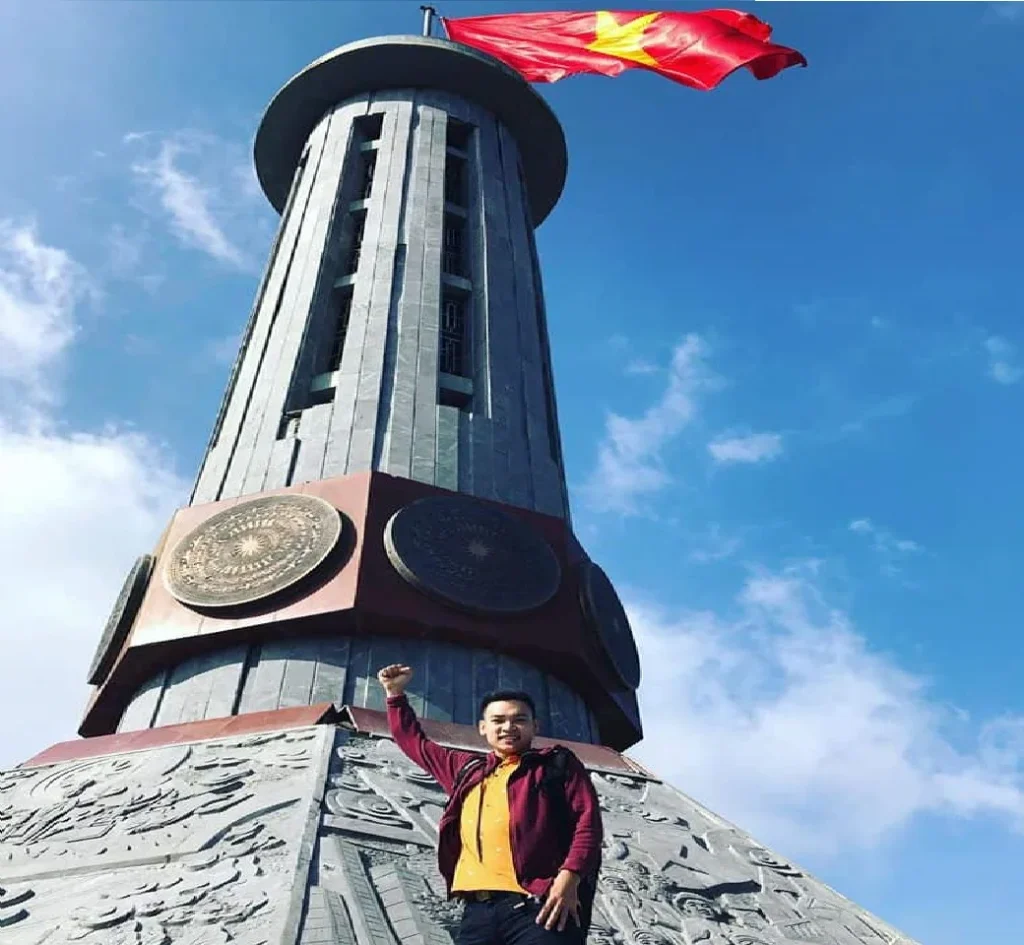
Lung Cu Flagpole is considered the northernmost point of Vietnam. Standing at an altitude of 1,470m above sea level, the Lung Cu Flagpole is a dream destination for most Ha Giang tourists.
Up close, you’ll admire unique and intricate carvings and patterns. There’s also the national flag, measuring 54m, symbolizing Vietnam’s 54 ethnic groups. The most special experience at Lung Cu Flagpole is standing on the observation deck. From there, you’ll witness the majestic beauty of Ha Giang from above. In the distance, the poetic Then Ven Valley nestles amidst vast mountains, with a few ancient houses faintly appearing through the wisps of evening smoke. The scene, both poetic and grand, is truly captivating.
2.3 Sung La Valley
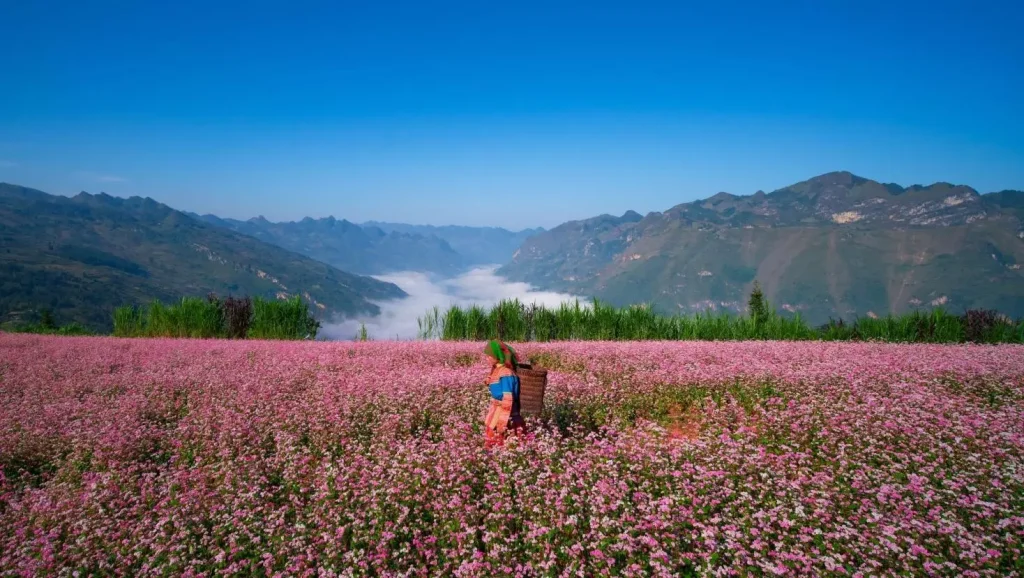
Sung La Valley means “oasis” in the ethnic language. This place is like a muse, nestled gently amidst the towering mountains of the majestic landscape. From above, Sung La blooms with incredibly poetic fields of buckwheat flowers. In addition to buckwheat, locals also grow roses, pear, and peach blossoms. Therefore, Sung La is likened to a plateau rock flower amidst the northern mountains. It’s also home to Pao’s House – the house featured in the award-winning film “Story of Pao.”
2.4 Hmong King’s Palace (Vuong Family Mansion)
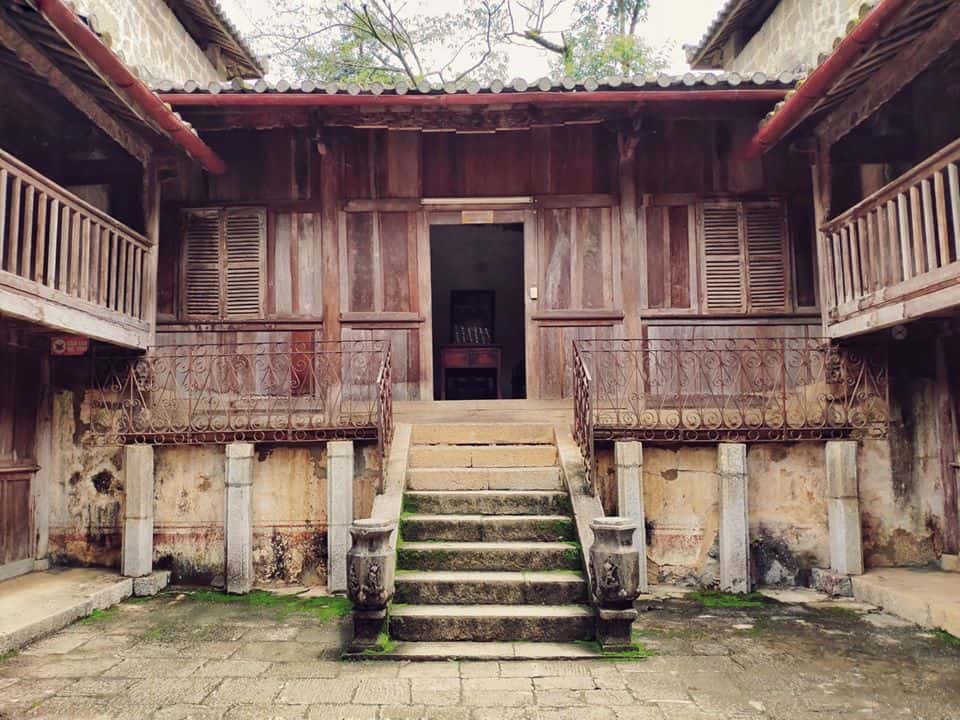
Nestled in Sa Phin Valley, the Hmong King’s Palace (also known as the Vuong Family Mansion) was built over nine years, estimated to cost 150,000 silver coins, equivalent to 150 billion VND today. Nearly 100 years old, this mansion was the residence of Vuong Chinh Duc (1865-1947), the only Hmong leader revered as the “Hmong King.” He governed Dong Van district (which at the time included Meo Vac, Yen Minh, and Quan Ba).
The Hmong King’s Palace covers an area of approximately 3000 m2. Its unique feature is its architecture, blending the fortress style of Chinese Qing Dynasty with Hmong patterns and some French elements like fireplaces and bunkers. This makes the Hmong King’s Palace one of the most worthwhile Ha Giang destinations to experience today.
2.5 Co Tien Twin Mountains (Quan Ba Heaven’s Gate)
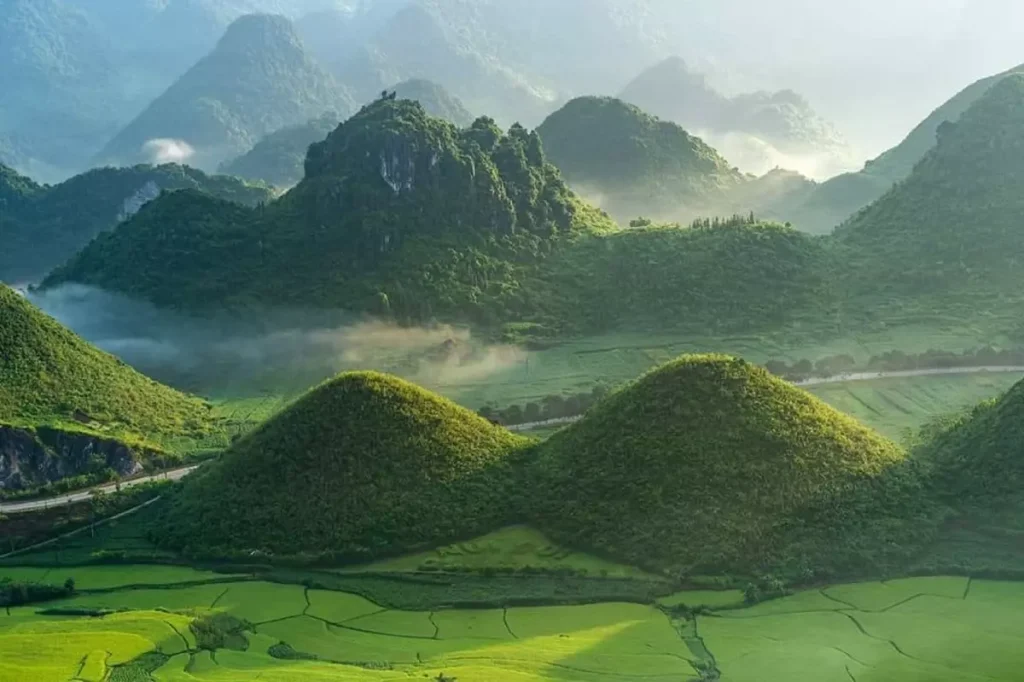
Co Tien Twin Mountains, also known as Quan Ba Twin Mountains, hide a captivating legend. People say these are the breasts of a fairy. Here, visitors can enjoy fresh, pleasant air and immerse themselves in a rare poetic and majestic landscape. Especially if you stand at Quan Ba Heaven’s Gate early in the morning, you’ll see dense fog enshrouding the mountains. No one passing through Quan Ba can resist stopping to admire their graceful beauty. This is a wonderful moment to capture memories with loved ones.
2.6 Dong Van Old Quarter
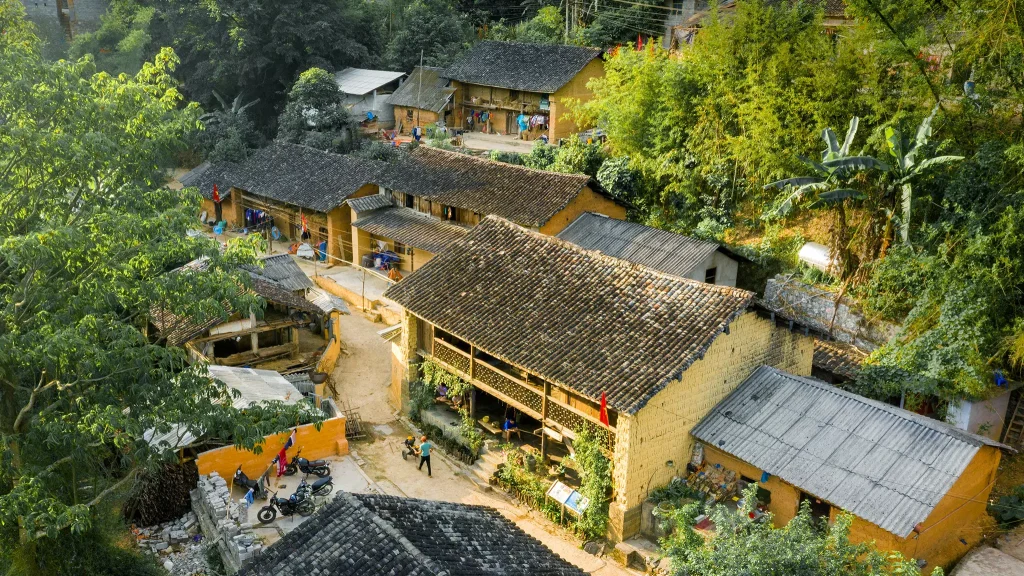
This area preserves ancient rammed-earth houses, passed down through generations of Dong Van town residents. Just 30-40 houses clustered around the Dong Van market create a bustling gathering point, offering a warm and intimate feeling for visitors. Dong Van Old Quarter blends Chinese architecture, influenced by northern immigrants, with French influences seen in brick houses from the French colonial era.
If you visit Dong Van Old Quarter on a weekend, you’ll be treated to romantic melodies and folk songs. It’s a vibrant moment when young men and women at the love market exchange vows. Truly a unique experience on this rocky plateau.
2.7 Tham Ma Pass
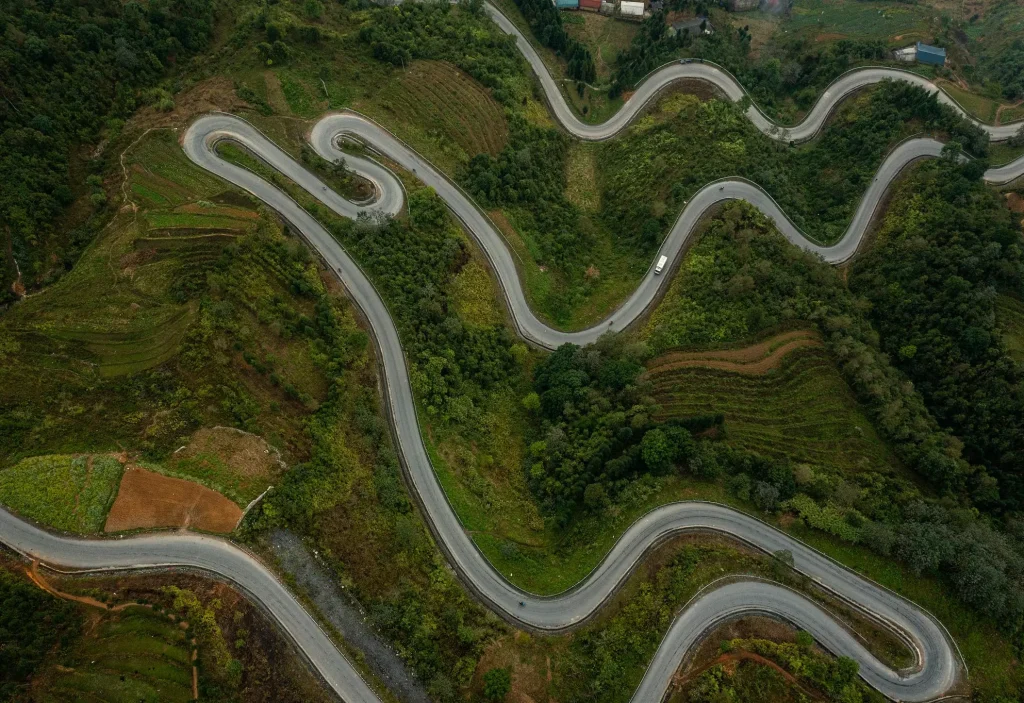
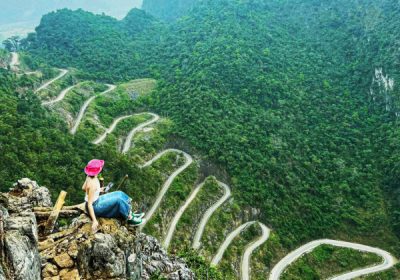
Tham Ma Pass serves as a vital link between Yen Minh town and the Dong Van Karst Plateau. To ascend this pass, you’ll navigate nine winding turns. This makes it a familiar route for young explorers who love adventure and seek to admire the majestic natural beauty of the rocky plateau. Beyond the scenery, you’ll find a truly novel and exhilarating sensation that only Tham Ma Pass can deliver.
2.8 Bac Sum Pass
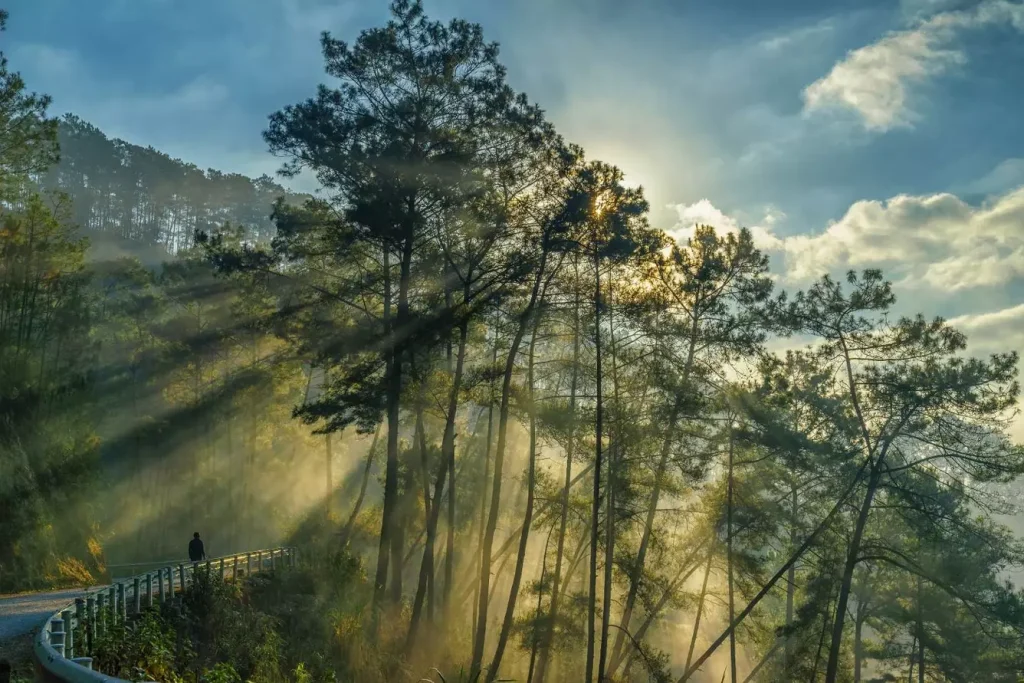
Bac Sum Pass is often likened to Pha Din Pass – one of Vietnam’s Four Great Mountain Passes. Located 30km from Ha Giang city, Bac Sum Pass winds through towering hills. The higher you ascend, the more awe-struck you become by the majesty of the surrounding mountains.
Characteristic of the high-altitude climate, Bac Sum Pass is often shrouded in mist. Therefore, if you visit this pass early in the morning, you’ll enjoy a thrilling cloud-hunting experience and witness a magnificent sunrise over the mountain ranges. This is also when the pass is at its most beautiful and ethereal. It’s a fantastic spot to capture photos amidst this majestic yet poetic landscape.
2.9 Nine-Curve Pass (Doc Chin Khoanh)
This pass is located just before Tham Ma Pass, connecting Pho Cao commune with Sung La commune. Doc Chin Khoanh is part of Bac Sum Pass. Legend has it that any couple who conquers the Nine-Curve Pass together will become husband and wife. This legend arose because the pass has extremely challenging winding turns that even experienced riders must navigate with high concentration. Thus, the nine turns symbolize trials and tribulations; overcoming them leads to a shared destiny.
2.10 Yen Minh Pine Forest
Likened to a corner of Da Lat on the rocky plateau, Yen Minh Pine Forest stretches for tens of kilometers. Tall, soaring pine trees create a landscape that is both majestic and rugged, with a touch of desolate beauty. Along the way, soft terraced rice fields gracefully curve, and endless mountain ranges undulate. If you pass through in the late afternoon, you’ll marvel at the “splendid” sunset with sunlight filtering through the mountains. What could be more wonderful than capturing beautiful memories here?
2.11 M-Shaped Road
On the road from Meo Vac to Mau Due, heading back to Ha Giang city, you’ll encounter the M-shaped road. This road is famous for its continuous curves, creating a perfect aesthetic arc amidst the majestic plateau. Its unique design mesmerizes anyone who visits, making them forget the way home. Therefore, the M-shaped road is always a super hot Ha Giang destination that every tourist wants to experience.
2.12 Ma Le Ancient Village
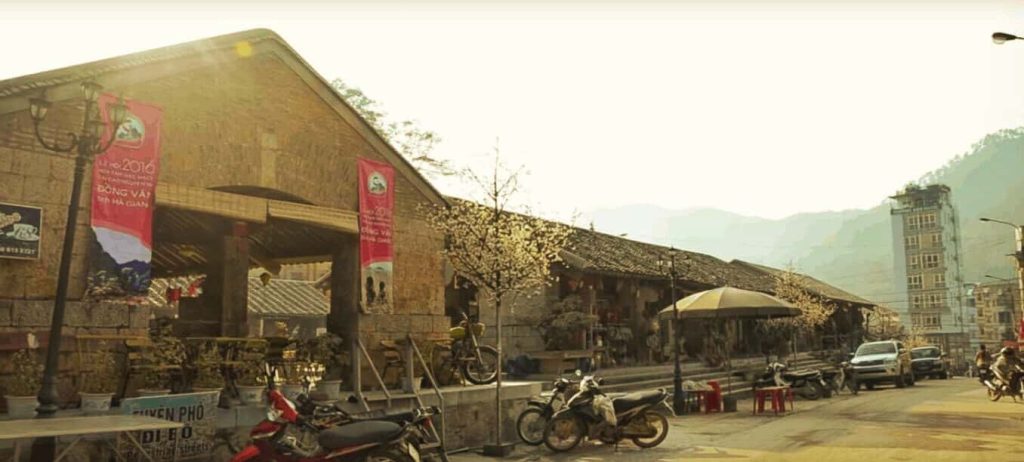
Located on the road from the Vuong Family Mansion to Lung Cu (the northernmost point), Ma Le Ancient Village is surrounded by majestic mountains. The village exudes a contemplative and rustic beauty, characteristic of the Ha Giang rocky plateau. Here, you must visit the Giay Ethnic Ancient House in Ma Le, which is over 200 years old. The special feature of this house is its preserved old-world charm, retaining the unique cultural and architectural values of the local people. This makes it a popular spot for many photographers.
2.13 Lung Khuy Cave
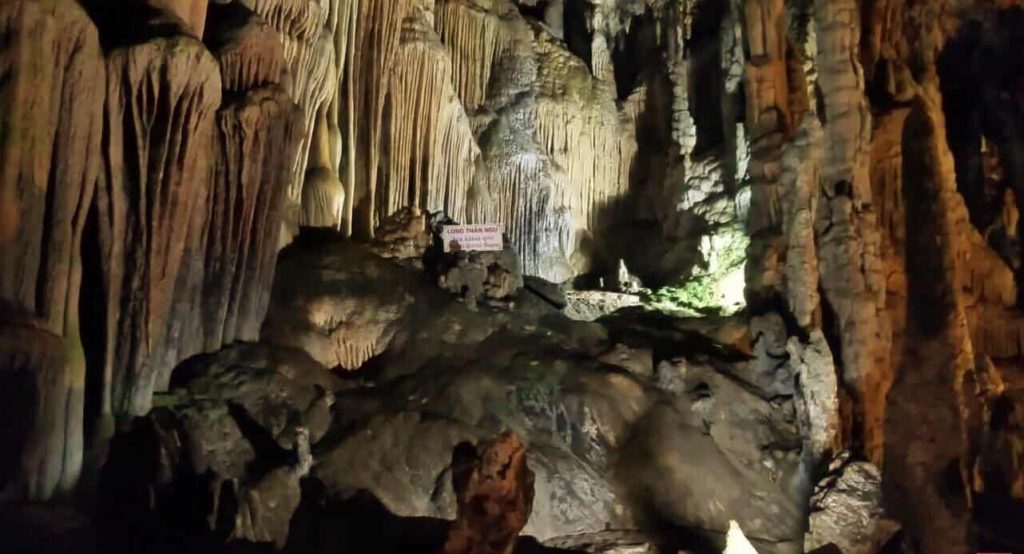
Approximately 2km from Tam Son town, Lung Khuy Cave is a masterpiece of nature. Discovered and opened for tourism in 2015, the entrance fee is 50,000 VND/person. The cave is deep and wide, filled with mysterious stalactites and stalagmites, mostly in stunning golden and white hues. Inside Lung Khuy, you’ll feel as if you’ve entered a unique underground world. Its ethereal and distinctive beauty will surely not disappoint.
2.14 Mau Due – Du Gia Road
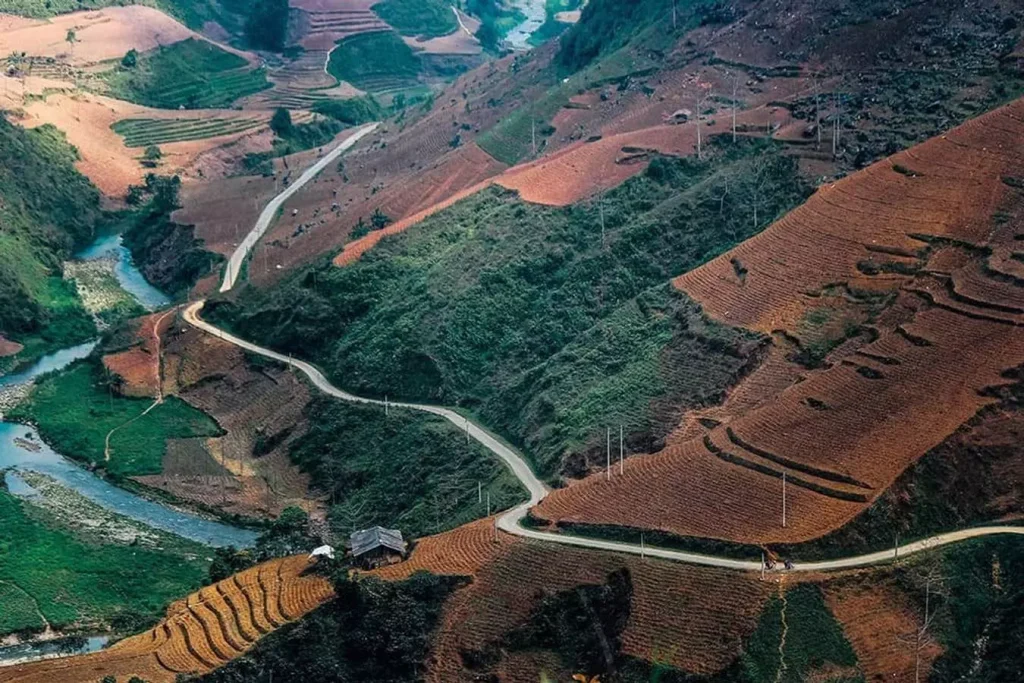
With a length of about 73km, this road winds through endless mountains. Along the way, you’ll witness soft terraced rice fields. In the distance, simple houses faintly appear amidst the fog. In the late afternoon, as the sunlight fades, the road transforms into a picturesque scene of the mountainous region. Exploring Ha Giang without setting foot here would truly be a miss.
2.15 Kilometer Zero Marker
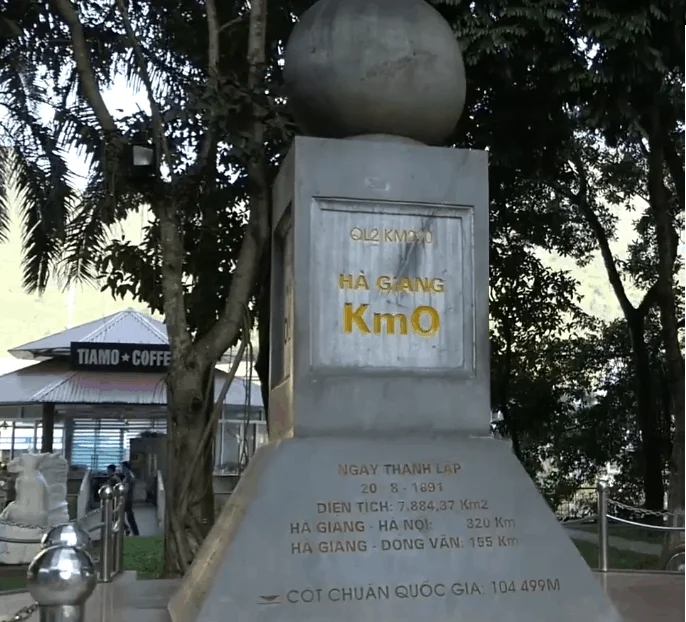
The Kilometer Zero Marker is undoubtedly a familiar Ha Giang check-in spot for anyone who loves this region. It marks the starting point of your Ha Giang trip and the beginning of exciting experiences on your journey through the rocky plateau. So, don’t forget to capture beautiful memories at this iconic Ha Giang landmark.